
What is Dog Socialization? (And Why It’s More Than Just Playdates)
Socialization is the secret ingredient to raising a confident, happy, and well-behaved dog. It’s the process of safely exposing your dog to a variety of sights, sounds, smells, people, and environments. The goal? To teach your pup that the world is a safe place, reducing fear-based reactions like anxiety or aggression later in life.
While the “critical window” for socialization is between 3 and 14 weeks of age, it is a lifelong journey. Whether you have a brand-new puppy or a shy rescue, positive exposure is the key to a balanced life.
Why Socialization is a Game-Changer
A well-socialized dog doesn’t just “behave” better; they live a lower-stress life. Key benefits include:
-
Reduced Fear & Anxiety: Familiarity breeds confidence, making new situations less “scary.”
-
Aggression Prevention: Dogs who understand social cues are less likely to react defensively toward strangers or other pets.
-
Easier Training: A confident dog is a focused dog, making them much more adaptable to learning new cues.
-
Better Quality of Life: From vet visits to outdoor cafes, a socialized dog can join you on more adventures without stress.
How to Socialize Your Dog Effectively
-
Start Early, but Stay Consistent: Puppies are sponges, but older dogs can still make huge strides with a patient, gradual approach.
-
The “Slow and Steady” Rule: Never force an interaction. Let your dog set the pace. If they seem hesitant, move further away from the stimulus until they relax.
-
Positive Reinforcement: Use high-value treats and praise to create a “happy association” with new things (like umbrellas, bikes, or loud trucks).
-
Structured Classes: Enroll in a professional puppy or “calmness” class. These provide a controlled environment that is much safer than a chaotic dog park.
4 Common Mistakes to Avoid
-
“Flooding”: Taking a fearful dog to a crowded festival is overwhelming and can cause trauma. Keep sessions short and successful.
-
The “Dog-Only” Trap: Socialization isn’t just about other dogs. It’s about floor textures, sirens, hats, beards, and vacuum cleaners.
-
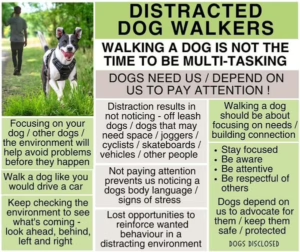
Ignoring Body Language: Watch for “low-level” stress signs like lip licking, yawning, or looking away.
-
Skipping the Maintenance: Socialization is a muscle—if you don’t use it, your dog may become more reactive over time.
Final Thoughts
Socialization isn’t about meeting everyone; it’s about feeling safe anywhere. By keeping