Is it Time for Anxiety Medication? Supporting Your Reactive Dog
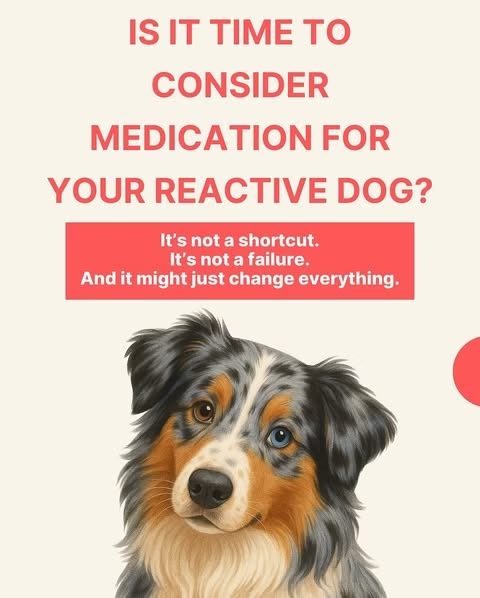
Managing a reactive dog—one that lunges, barks, or panics at triggers like strangers or other dogs—is an intense emotional journey. While consistent training and environmental management are the cornerstones of progress, behavior modification alone sometimes reaches a plateau. In these cases, behavioral medication can serve as a vital bridge to success.
When to Consider Pharmaceutical Support
It is a common misconception that medication is a “sedative” intended to dull a dog’s personality. In reality, it is a clinical tool used to lower an animal’s emotional baseline. Many reactive dogs live in a state of constant hyper-vigilance, making it impossible for them to learn.
Consider consulting a professional if:
-
The “Threshold” is Too Low: Your dog reacts to triggers from a great distance or cannot calm down for hours after an incident.
-
Training Progress has Stalled: You have been diligent with counter-conditioning for months, but your dog remains too overstimulated to process new information.
-
Quality of Life is Declining: Chronic fear prevents your dog from enjoying basic walks, backyard play, or even resting quietly at home.
-
Safety Concerns: Escalating aggression or self-mutilation (like obsessive paw licking) signals a level of distress that requires immediate clinical intervention.
Understanding Your Options
Veterinary professionals typically categorize treatments into two functional types:
-
Daily Maintenance: SSRIs (like Fluoxetine) help stabilize mood and serotonin levels over time.
-
Event-Specific: Situational aids like Trazodone or Gabapentin are used for acute stressors such as vet visits or thunderstorms.
The Path Forward
Medication is never a “quick fix” or a replacement for training; instead, it “opens the brain” so that training can finally work. By taking the edge off the fear, you allow your dog to experience the world without constant panic.
Always work with a veterinarian or a board-certified veterinary behaviorist to create a tailored plan. With the right balance of chemistry and coaching, a reactive dog can finally find the calm they deserve.