
What’s Really in That Dog Food Bag? A Guide to Canine Nutrition
Proper nutrition is the foundation of a long, happy life for your dog. Just like humans, dogs require a balanced diet to maintain energy, immunity, and disease resistance. By choosing high-quality food tailored to your dog’s age and breed, you can prevent costly health issues and improve their overall well-being.
Why Quality Nutrition Matters
A well-balanced diet isn’t just about “filling the bowl.” It serves several critical functions:
-
Longevity and Vitality: Proteins and calcium support strong muscles, while antioxidants like Vitamins E and C bolster the immune system.
-
Disease Prevention: Proper nutrition helps ward off obesity—a leading cause of diabetes, joint pain, and heart disease in dogs.
-
Skin and Coat Health: Essential fatty acids (Omega-3 and Omega-6) reduce shedding and prevent itchy, inflamed skin.
-
Digestive and Dental Support: High-fiber ingredients and dental-friendly chews maintain gut health and reduce tartar buildup.
Choosing the Best Food for Your Dog
While a fresh food diet is often the “gold standard” for canine health, it isn’t always practical. If you choose kibble, look for these quality markers:
-
Named Proteins: The first ingredient should be a specific meat (e.g., chicken or beef), not “animal by-products.”
-
Healthy Fats: Look for fish oil or flaxseed.
-
Complex Carbs: Seek out sweet potatoes or brown rice rather than “fillers.”
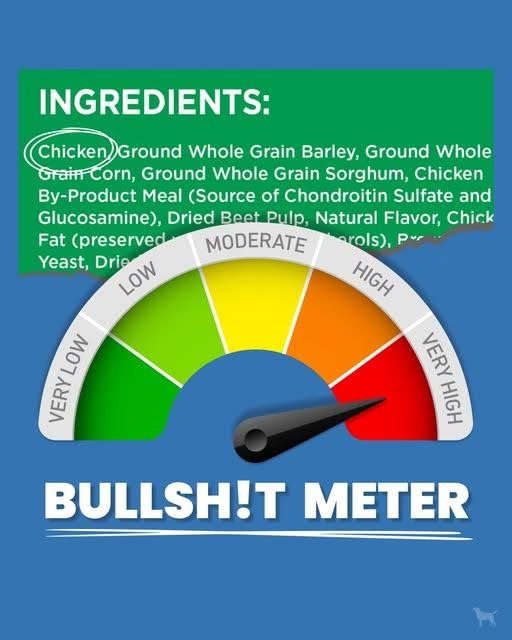
Beware of “Ingredient Splitting”
This is a common industry tactic used to mislead owners. Manufacturers divide a single low-quality ingredient into multiple subcategories to push them further down the list.
Example: You might see Corn Gluten Meal, Ground Yellow Corn, and Corn Bran listed separately. Individually, they appear minor, but combined, corn may actually be the primary ingredient in the bag.
Final Thoughts
Investing in your dog’s diet today means fewer vet bills and more joyful years tomorrow. Always monitor your dog’s weight and energy levels, and consult your veterinarian to fine-tune their specific nutritional needs.