Why Positive Reinforcement is the Gold Standard for Dog Training
Training your dog is one of the most rewarding aspects of pet ownership. While “old-school” methods once relied on dominance, modern science favors positive reinforcement. This humane approach focuses on rewarding desired behaviors rather than punishing mistakes, creating a dog that is both obedient and emotionally secure.
What is Positive Reinforcement?
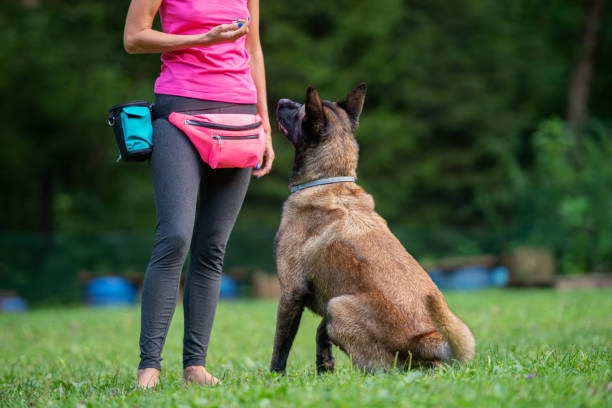
At its core, positive reinforcement means using rewards—like treats, praise, or play—to encourage a behavior. Instead of using fear or intimidation, you “mark” the moment your dog does something right. This aligns with how dogs naturally learn, making the process faster and more enjoyable for both of you.
The Major Benefits of Reward-Based Training
Switching to a positive-first mindset offers several long-term advantages:
-
Builds Unshakable Trust: Dogs view their owners as a source of “good things” rather than fear. This reduces anxiety and creates a more confident, relaxed companion.
-
Encourages Problem-Solving: Punishment often causes dogs to “shut down” to avoid mistakes. Positive reinforcement motivates them to think and try new behaviors to earn a reward.
-
Reduces Aggression: Harsh corrections (like shock collars or yelling) can trigger fear-based aggression. Positive methods help reactive dogs feel safe and focused.
-
Reliable Results: Dogs repeat behaviors that pay off. Over time, these habits become ingrained, leading to consistent obedience even when a treat isn’t present.
How to Get Started
To see the best results, follow these five simple steps:
-
Use High-Value Rewards: Find what your dog loves most (small pieces of chicken, a favorite toy, or enthusiastic praise).
-
Timing is Everything: Mark the good behavior immediately with a clicker or a verbal “Yes!” so the dog connects the action to the reward.
-
Ignore the “Bad”: Instead of scolding, redirect your dog to a better choice.
-
Keep it Short: Limit sessions to 5–10 minutes to maintain your dog’s focus.
-
Be Consistent: Use the same cues and rewards every time.
Pro-Tip: Always end every training session on a “win.” If your dog is struggling with a new trick, ask for a simple “Sit” before stopping so they finish feeling successful!