The Hidden Health Risks in Your Dog’s Bowl: Why Hygiene Matters
It’s easy to look at a dog bowl that appears “empty” and assume it’s clean. However, that thin, slippery film you feel at the bottom—a substance known as bacterial biofilm is a sophisticated fortress for microbes. Dog bowl hygiene isn’t just about aesthetics; it is a fundamental pillar of responsible pet ownership and essential for preventing canine bacteria from spreading through your home.
How to Remove Biofilm from Dog Bowls
The primary cause of a neglected bowl is the accumulation of pathogens such as Salmonella, E. coli, and Listeria. These thrive in the moist, nutrient-rich environment left behind by kibble residue. If left unchecked, this dog water bowl slime can lead to oral infections, chronic digestive upset, and even systemic illnesses. Furthermore, because we handle these dishes daily, a dirty bowl poses a direct zoonotic risk to humans—especially children and the elderly—making pet bowl sanitation a household safety issue.
Stainless Steel vs. Plastic Dog Bowls
When it comes to hygiene, your choice of material is the first line of defense. Many pet owners unknowingly use porous materials that harbor germs.
-
Plastic: Easily develops microscopic scratches that serve as breeding grounds for bacteria.
-
Ceramic: Good, but can harbor bacteria if the glaze cracks.
-
Stainless Steel: The gold standard. It is non-porous, durable, and the best choice for preventing bacteria in pet dishes.
3 Golden Rules for Pet Health
To maintain a truly hygienic feeding station, implement these daily habits:
-
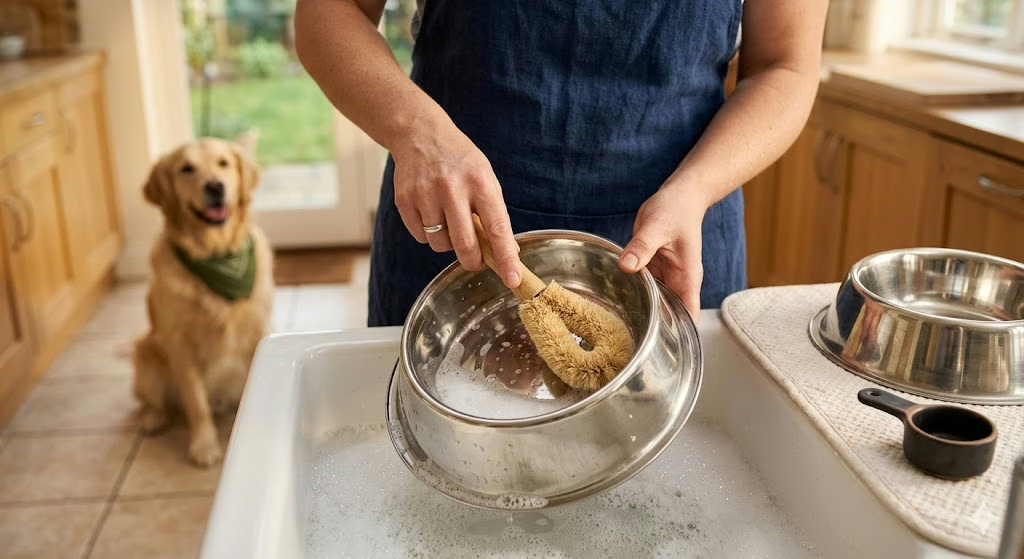
Wash After Every Meal: Treat your dog’s bowl like your own dinner plate. Use hot, soapy water to break down fats and proteins.
-
Daily Water Refresh: Dump, scrub, and refill water bowls at least once every 24 hours to stop biofilm before it attaches.
-
The Weekly Deep Clean: Run bowls through a high-heat dishwasher cycle or soak them in a pet-safe disinfectant to ensure a total kill-rate of lingering pathogens.
By spending just two minutes a day on dog bowl hygiene, you are actively protecting your dog’s gut health and extending their lifespan.